DIAN-ARC
Researching factors that impact participant adherence to a remote data collection app



At the Cognitive Technology Research Lab (CTRLab) at Washington University in St. Louis, we use the Ambulatory Research in Cognition (ARC) app to monitor subtle behavioral and cognitive changes in participants’ everyday environments. I took full ownership of a UX research project to identify factors impacting participant adherence to the app’s daily tests.
Context
Independent UX research project
Timeline
March 2025 - May 2025
Team
Jason Hassenstab, Principal Investigator
Sarah Stout, Clinical Research Manager
Jessica Nicosia, UX Research Advisor
Skills
Usability Testing, User Interviews, Research Design, Journey Mapping, Thematic Analysis, Card Sorting
Background
Capturing subtle changes in cognitive decline that may indicate preclinical Alzheimer’s Disease (AD).
The CTRLab’s ARC app employs the principles of ecological momentary assessment to gather cognition data from participants in their daily environments. ARC prompts participants to complete brief cognitive tests 4 times per day over 7 consecutive days. The flexible format of the smartphone study increases participant reach and ecological validity for large-scale clinical trials of AD.
Each testing session consists of brief surveys assessing participant’s mood and context, followed by three key tests: Prices, Symbols, and Grids.
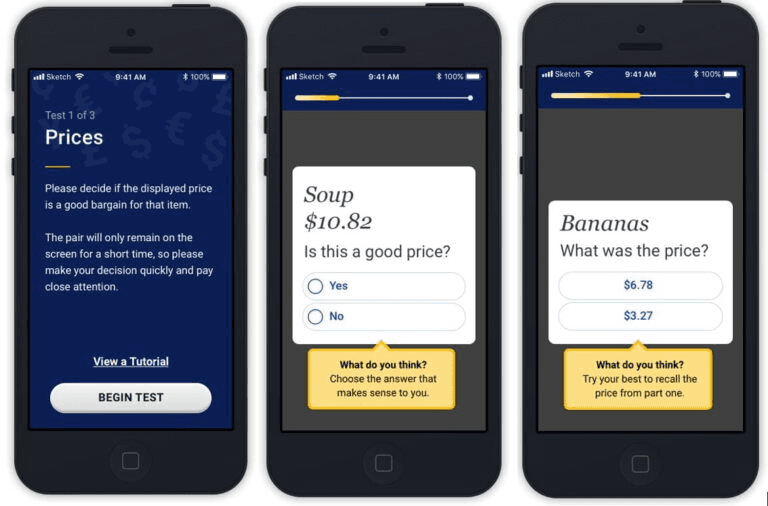
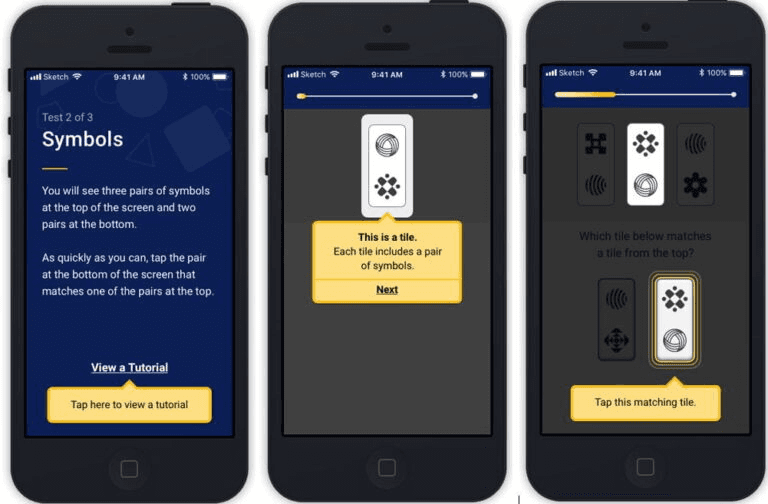
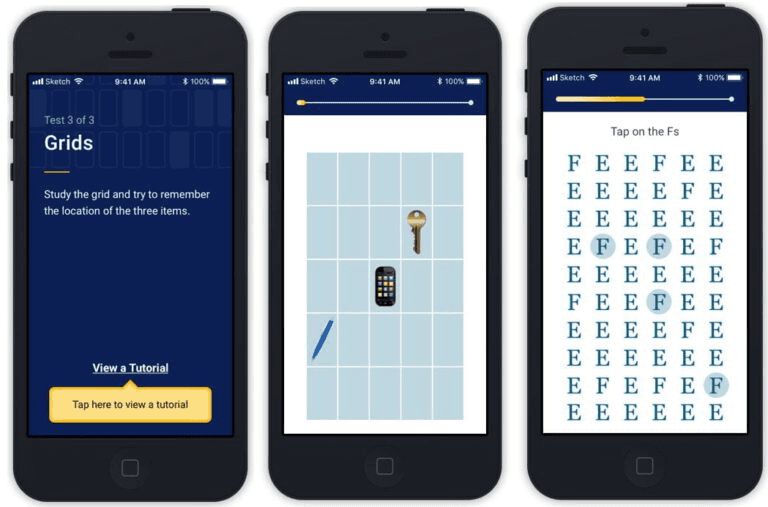
For more information about the ARC app, visit the CTRLab website.
Defining the Problem
Addressing a notable gap in usability testing for participants in the Dominantly Inherited Alzheimer’s Network (DIAN).
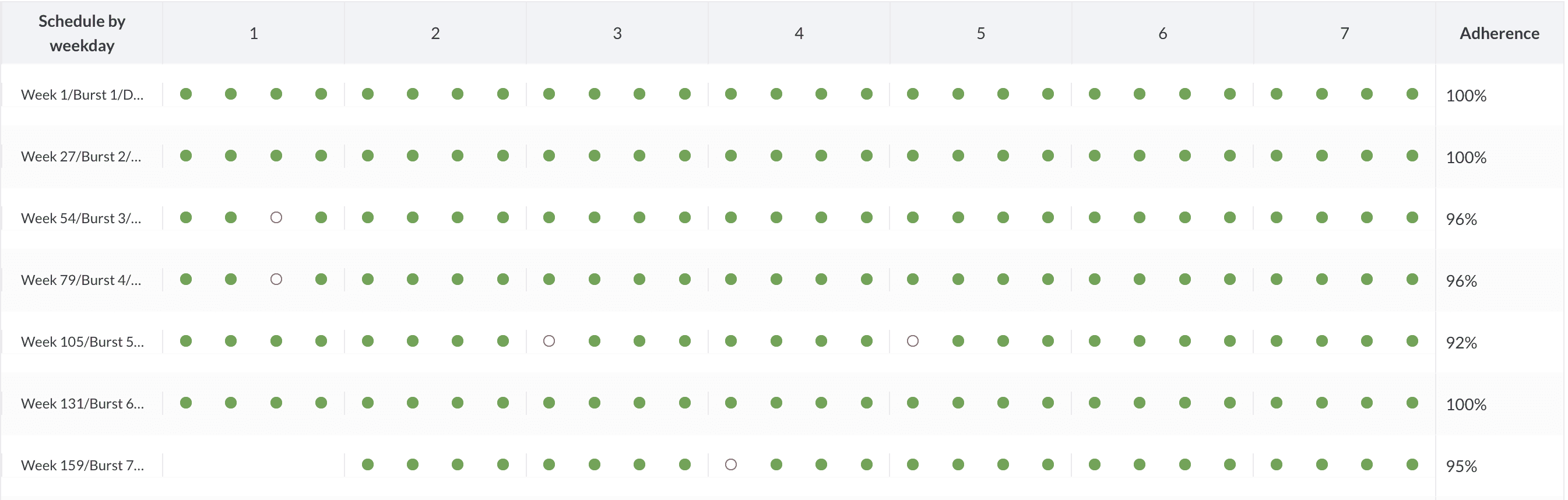
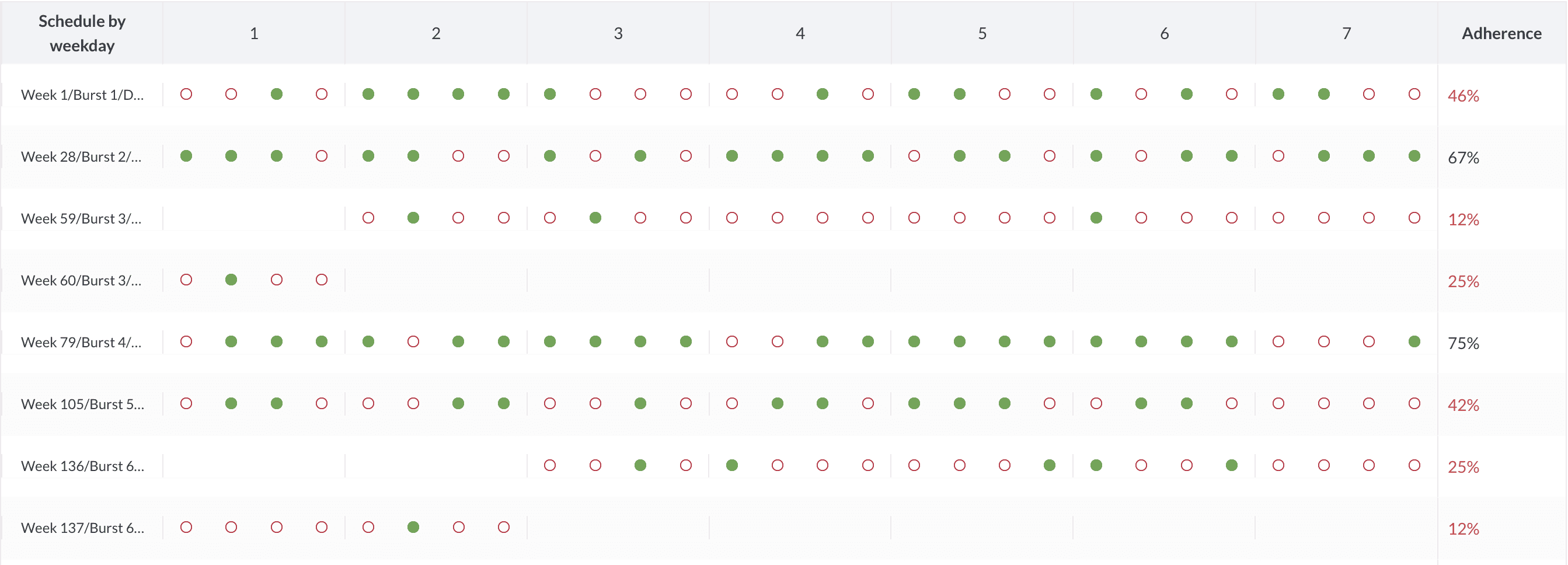
Participant Recruitment
Working within HIPAA regulations while staying true to our target population.
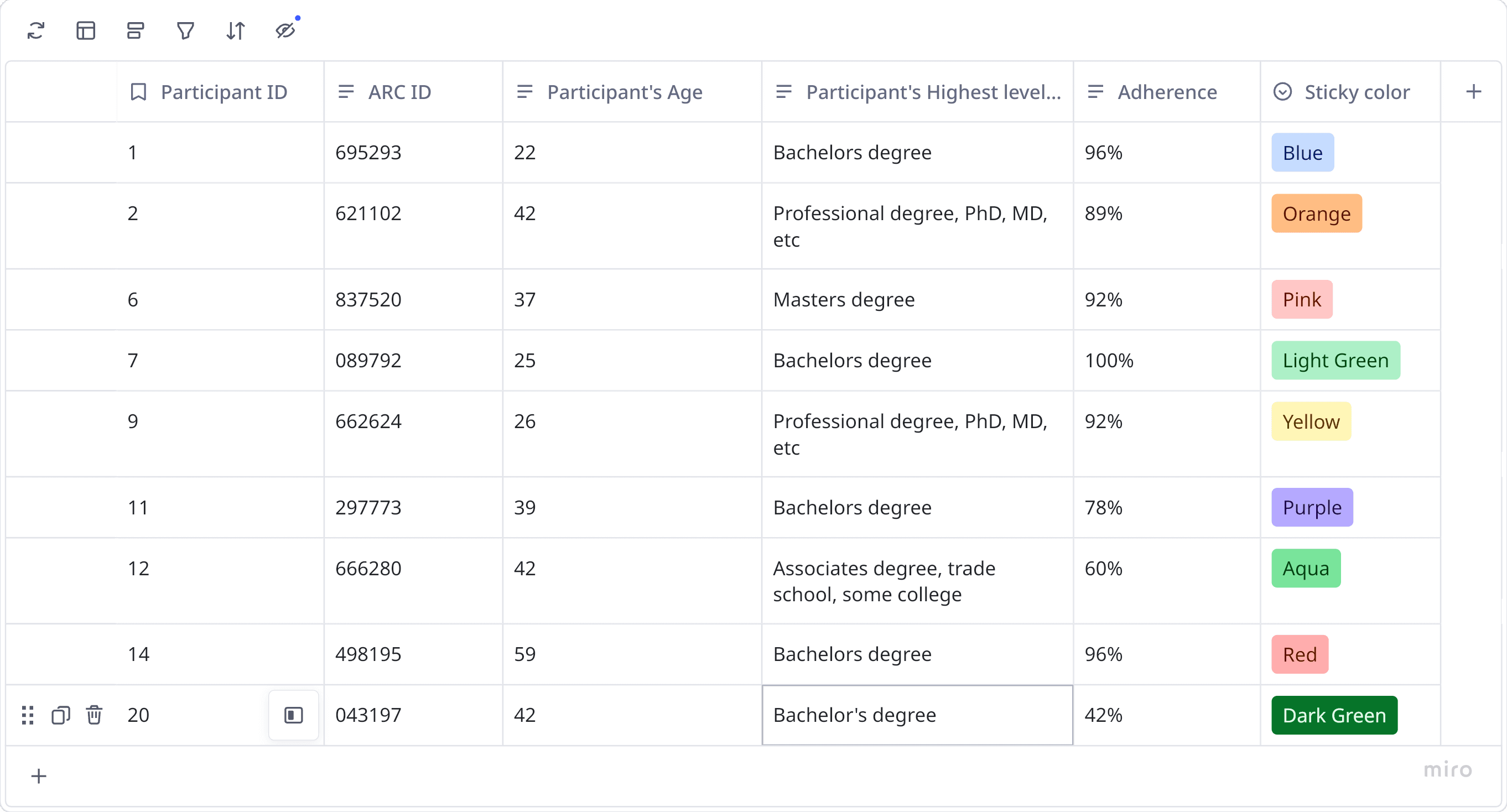
The DIAN-OBS population consists of working, middle-aged adults who are genetically predisposed to early-onset Alzheimer’s Disease. Due to HIPAA restrictions, I could not directly recruit these participants for my UX research project. Instead, I screened and recruited 9 participants who matched key characteristics of the DIAN-OBS population in terms of age, education level, and digital literacy.
Participant tracker
Research Design
Simulating a real-world experience with the app for most authentic results.
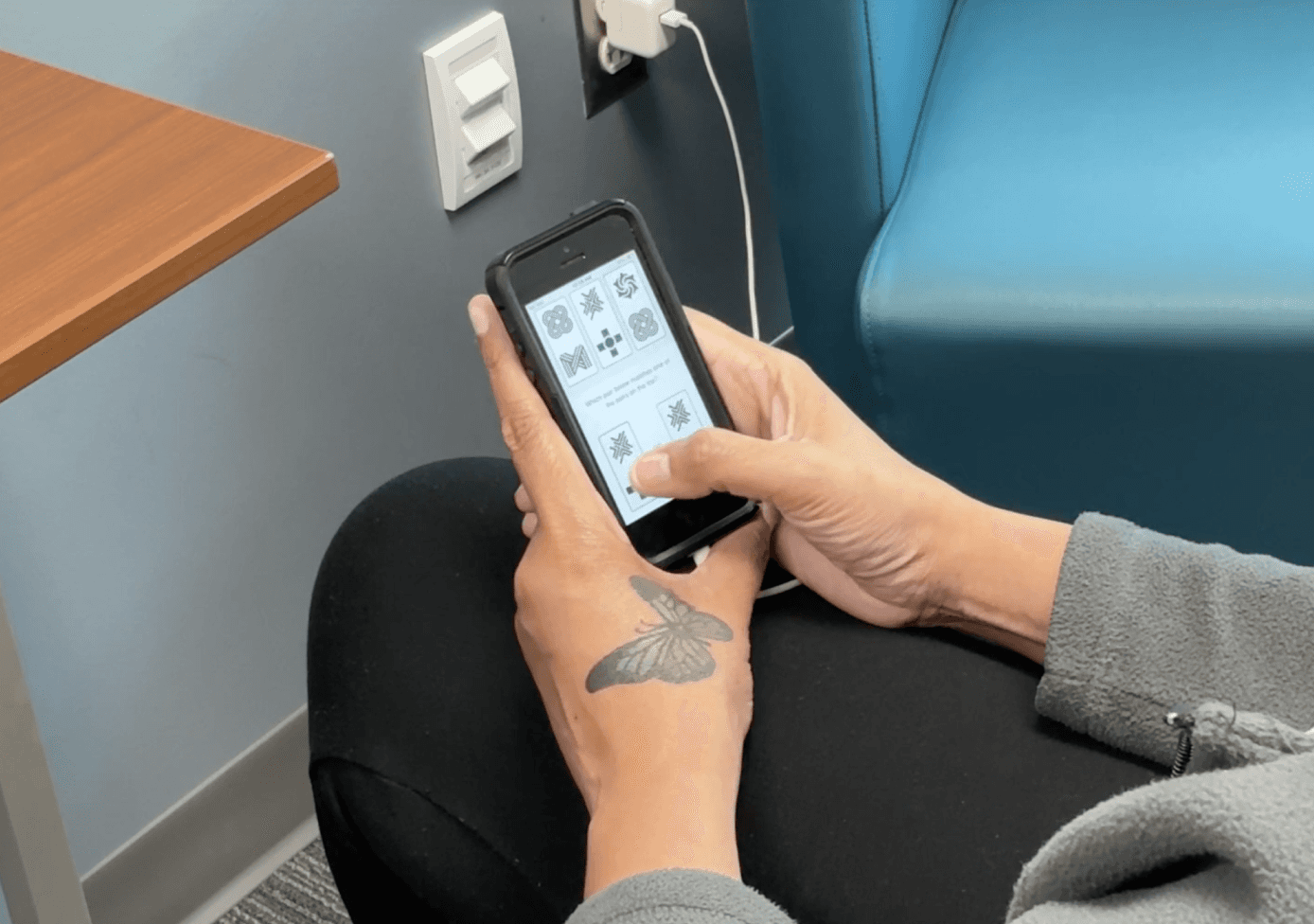
In order to deepen my study’s faithfulness to the true lived experience of DIAN participants using the ARC app, I designed a two-part mixed methods study.
Usability testing setup

I created user interview scripts to guide my conversations with each participant.


Analyzing the data
Pulling key insights from the interviews in a thematic analysis.
I reviewed and transcribed each interview, pulling quotes that referenced factors affecting users’ adherence to the app’s tests.

Once I had quotes laid out, I sorted them into recurring themes.

Ultimately, for each theme, I synthesized several key insights from my user research. The themes ranged from broader concepts like notifications, overall study structure, and incentivization...
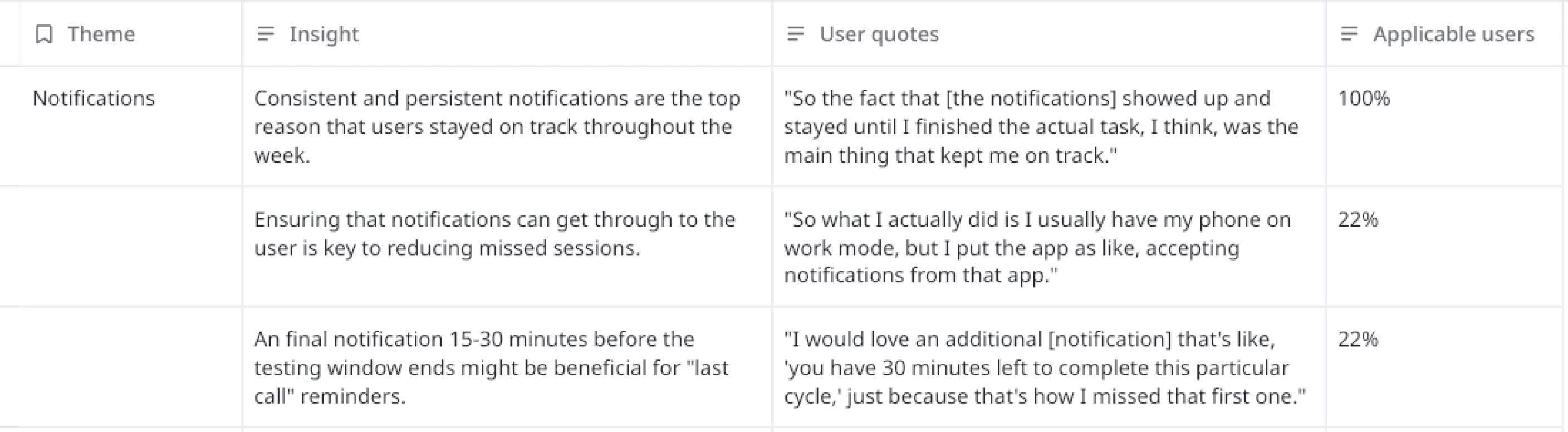
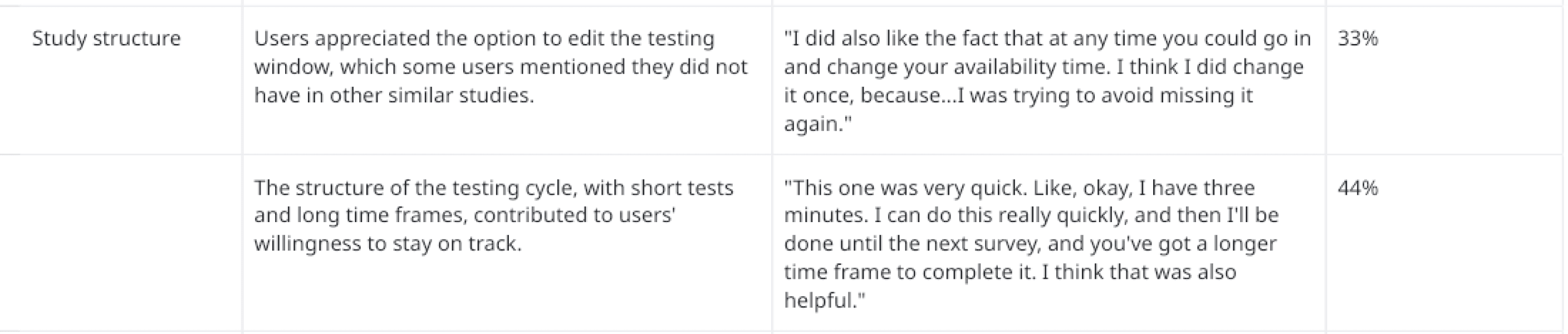
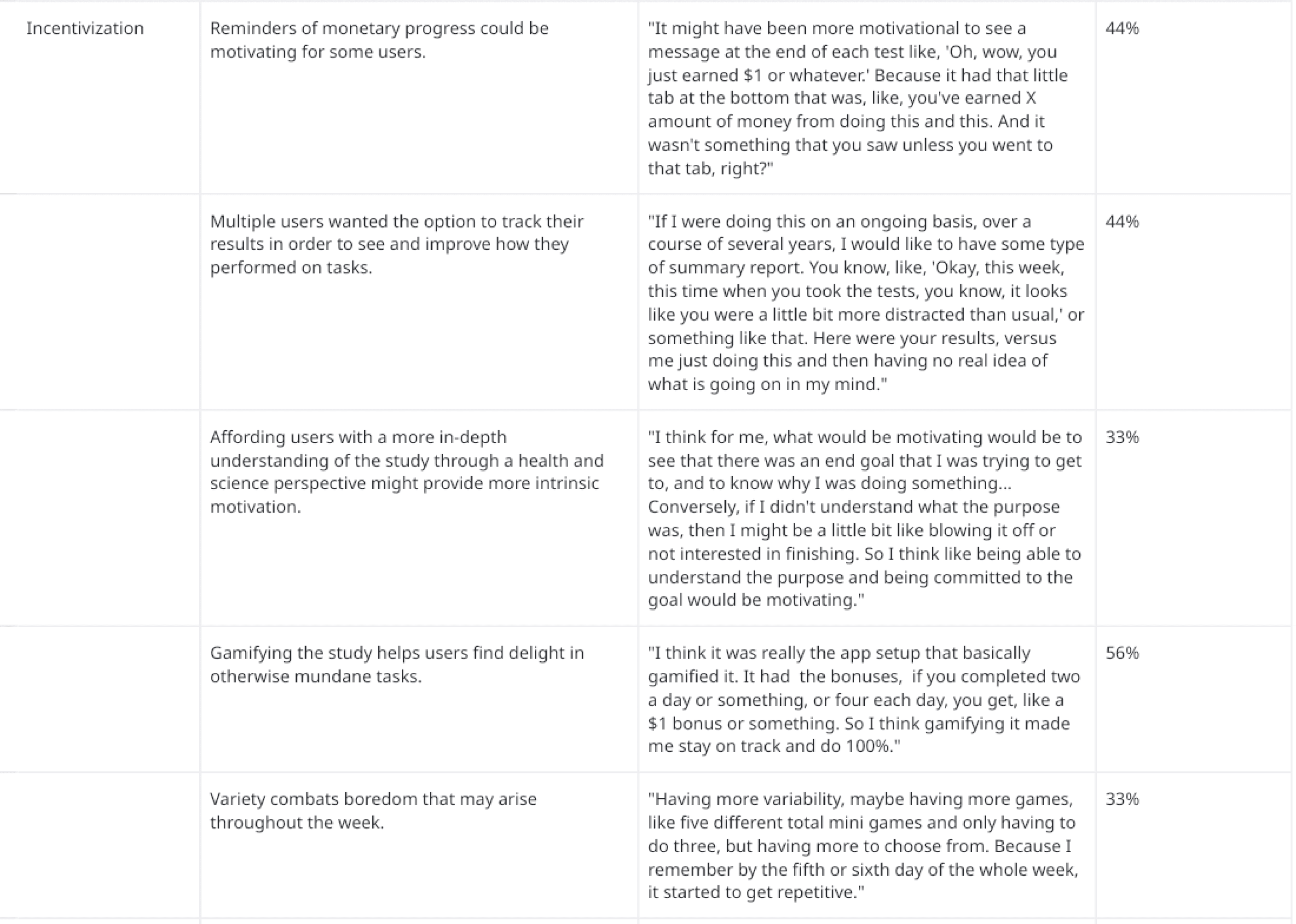
...to specific parts of the testing sessions such as the surveys and cognitive tasks.


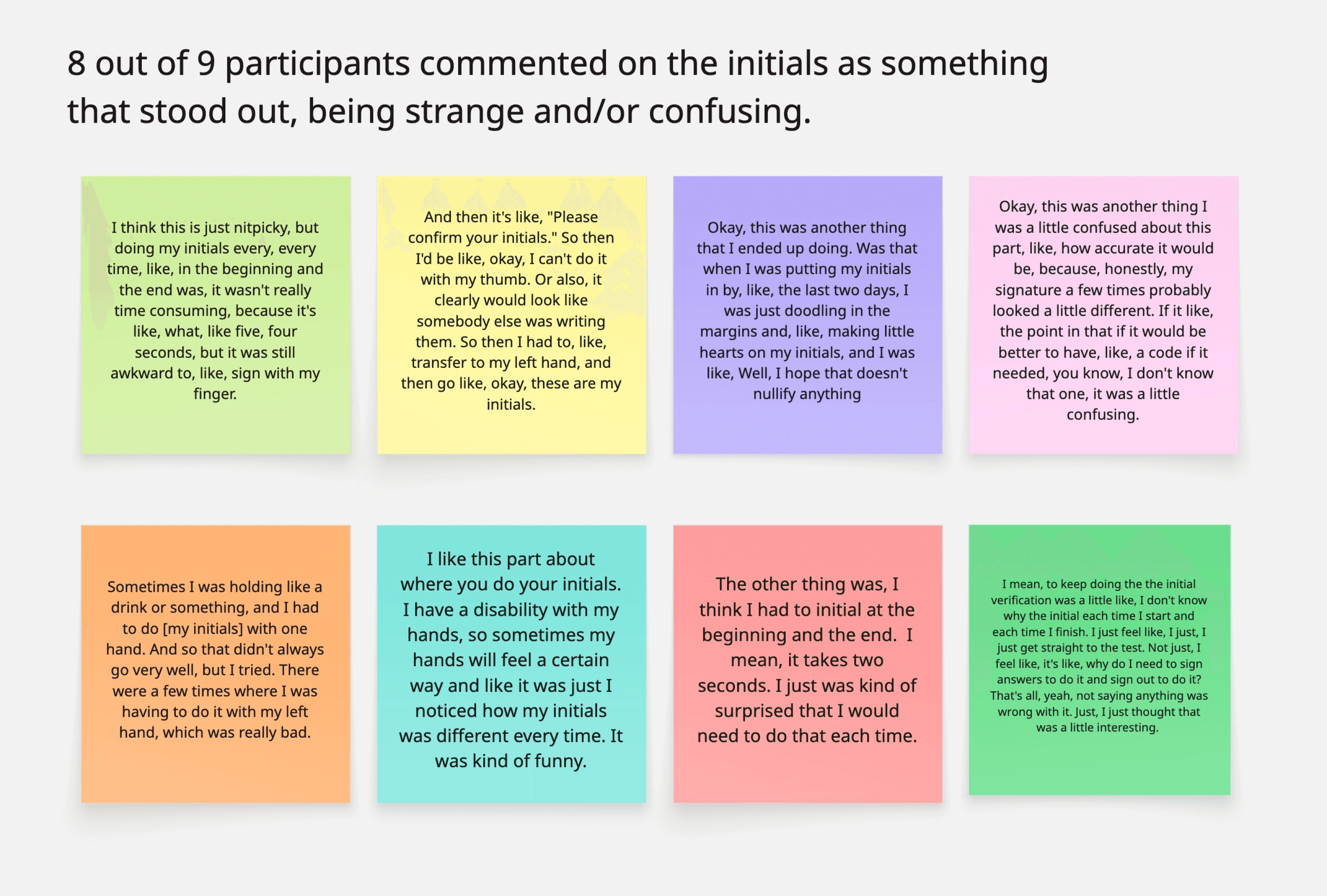
This process helped surface unexpected ideas...
...And validate shared pain points.
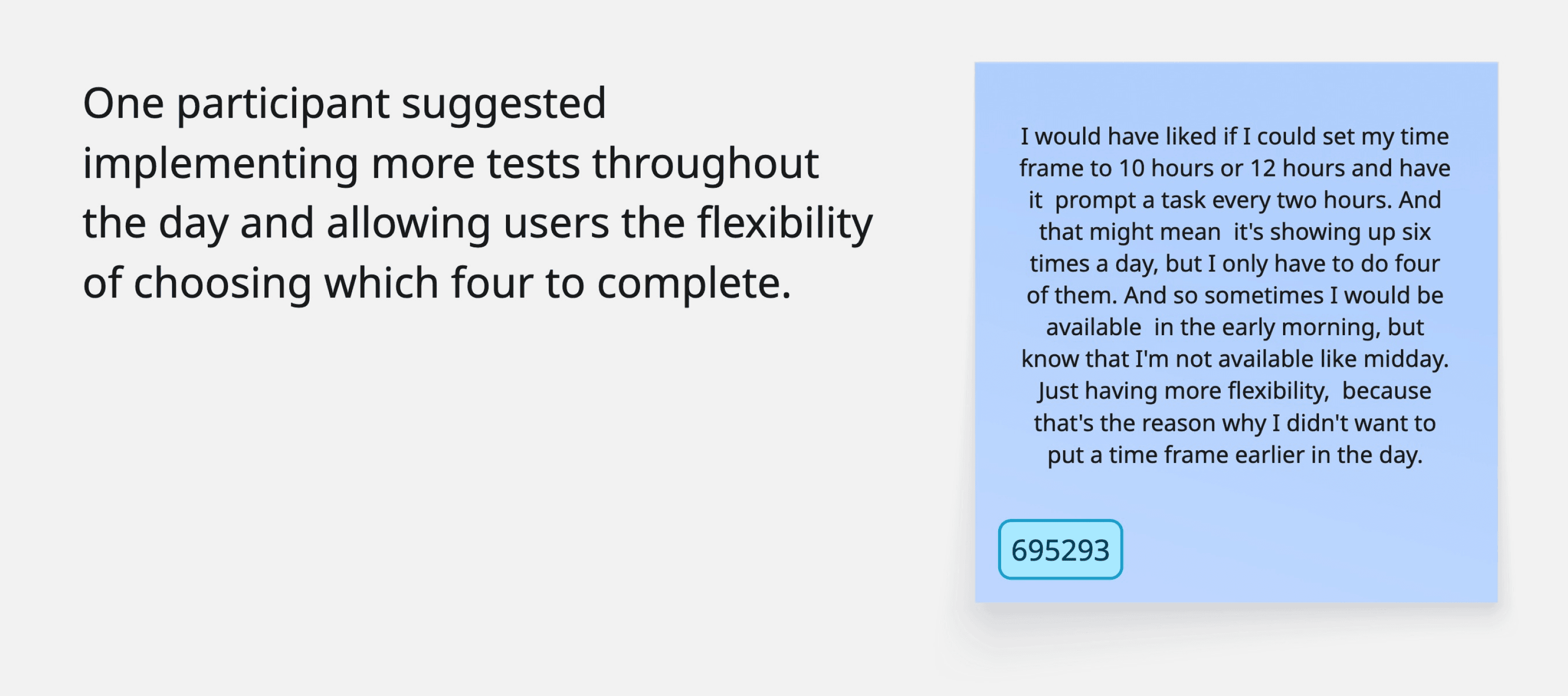
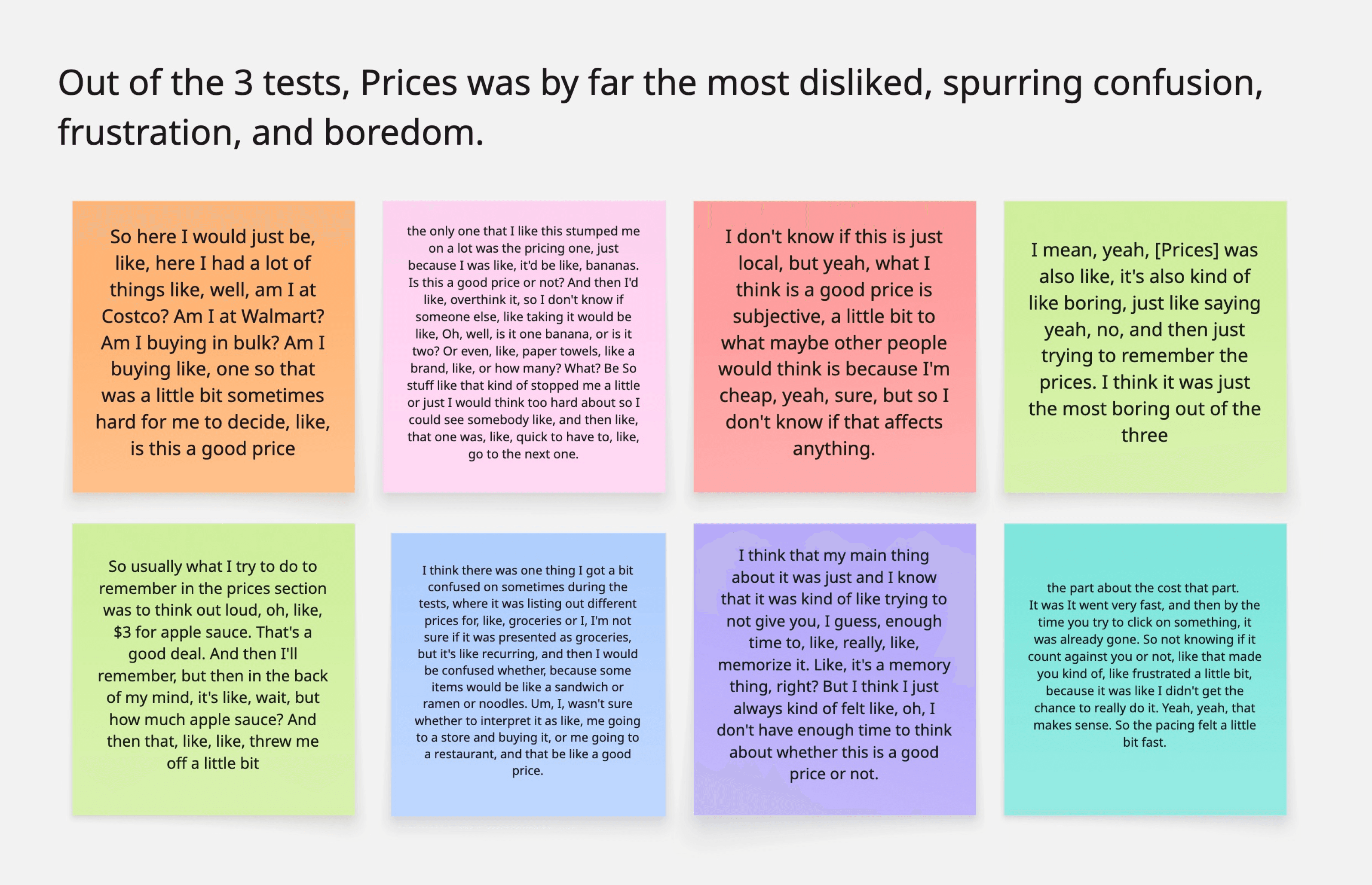
Ultimately, I made a participant journey map to break down the experience and key findings from each stage of the study process.

Reflection and Next Steps
Some of my key takeaways from this experience:
[1] How to conduct UX research within a complex environment. Needing to navigate IRB and HIPAA requirements pushed me to be more organized and think outside of the box for my study design. Because each step also needed IRB approval, the research process was slower than I expected.
[2] Survey the problem landscape early, and then prioritize depth over breadth. Given HIPAA protections, I went into this project with limited knowledge of real DIAN participant experiences. Given more time, I would have loved to prepare an approved survey to better understand their perspectives on the study. This would have allowed me to focus my user interviews on specific problem areas rather than cover the entire study process.
What’s next?
We’re switching developers! The CTRLab is in the process of switching developers for the ARC app. After sharing my research with my lab’s PI, we’ll be setting up meetings with the developer team to see what changes are feasible.